


Change Is Good – And Here’s Why
- gbucknell
- Jul 26, 2025
- 3 min read
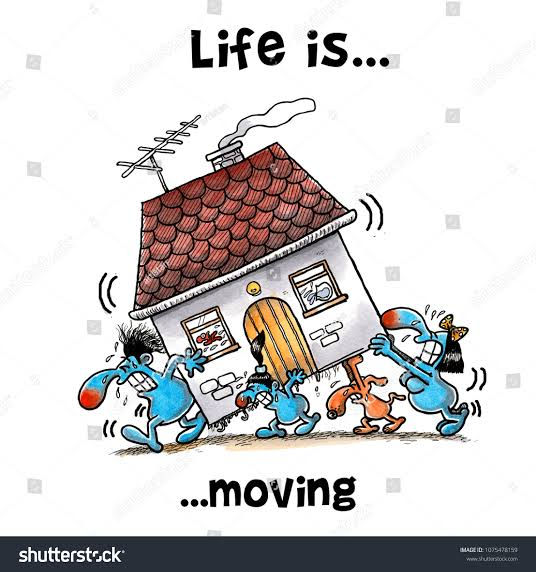
Change isn’t always easy—especially when it involves uprooting your family, packing up a life you’ve built, and starting fresh in a new place. My family and I recently made a big move, and let me tell you, moving house with two teenagers is no small feat. Emotions ran high, boxes piled up, and everything from school runs to where the teaspoons go had to be reconsidered.
But now that we’ve had time to settle, I can see it clearly: change is good. In fact, it’s essential.
Whether it’s a new home, a career pivot, or a personal challenge, change stretches us. It pushes us to adapt, solve unfamiliar problems, and look at life with fresh eyes. It’s not just about surviving transitions—it’s about using them to grow stronger and more resilient.
Growth Through Challenge
The new house brought with it new routines: navigating unfamiliar roads, working out the public transport system, meeting new neighbours, and setting up a home that feels “us.” Each small problem was a chance to think differently, to learn, and to lean on each other.
That’s when it hit me—this is exactly what Everyday Bushcraft is about.
Just like navigating a new suburb, learning bush skills like fire-making, finding safe water, tying the right knot, building shelter, or treating a minor injury teaches us to be prepared, adaptable, and calm under pressure. These five bushcraft skills aren’t just about survival in the wild—they’re life skills that help us weather everyday changes.
The 5 Everyday Bushcraft Skills in the Face of Change
1. Self-Aid:
Moving is emotionally and physically taxing. Self-aid reminds us to take care of our health, check in with our emotions, and maintain energy. When you care for yourself first, you’re better able to care for others.
2. Knots (Problem-Solving and Connection):
Tying a knot is about connecting two things securely. During big changes, it’s our connections—with each other and with our routines—that need reinforcing. It’s also a mental reminder that problems can be “untangled” if we take them one loop at a time.
3. Shelter:
Your home isn’t just walls and roof—it’s where you feel safe. Setting up a new shelter challenges you to recreate that feeling in a new space. It also helps you reflect on what really makes you feel secure: your people, your habits, and your sense of purpose.
4. Fire:
Fire represents energy and passion. In times of change, reigniting your motivation is key. New challenges can spark that flame, pushing us to grow. Change fuels the fire of progress.
5. Water (Adaptability):
Water teaches us to be flexible, to flow around obstacles. Finding and purifying water in the bush is about adaptability. Likewise, life’s changes call on us to find new sources of strength and adapt with clarity.
Takeaways: Embrace the Shift
Change isn’t the enemy—it’s a training ground. It tests your patience, resourcefulness, and resilience.
Bushcraft is more than survival—it’s preparation for life’s curveballs. The principles that keep us safe outdoors also help us thrive at home, at work, and during transitions.
Challenge builds confidence. Each problem solved is a small victory that builds a stronger you.
Keep your skills sharp. Whether you’re moving house or spending a night under the stars, having core life skills gives you stability when everything else is in flux.
When the dust settles—and it will—you’ll look back and realise: you’re not just living differently. You’re living better. You’ve grown, adapted, and found new strength.
So here’s to change. May it come often enough to keep us learning, but not so fast we forget to enjoy the journey.
Everyday Bushcraft is about more than sticks and fire—it’s a way of thinking. A way of preparing for whatever life throws your way. And trust me, the more you practice, the more ready you’ll be when the big changes come.


Comments